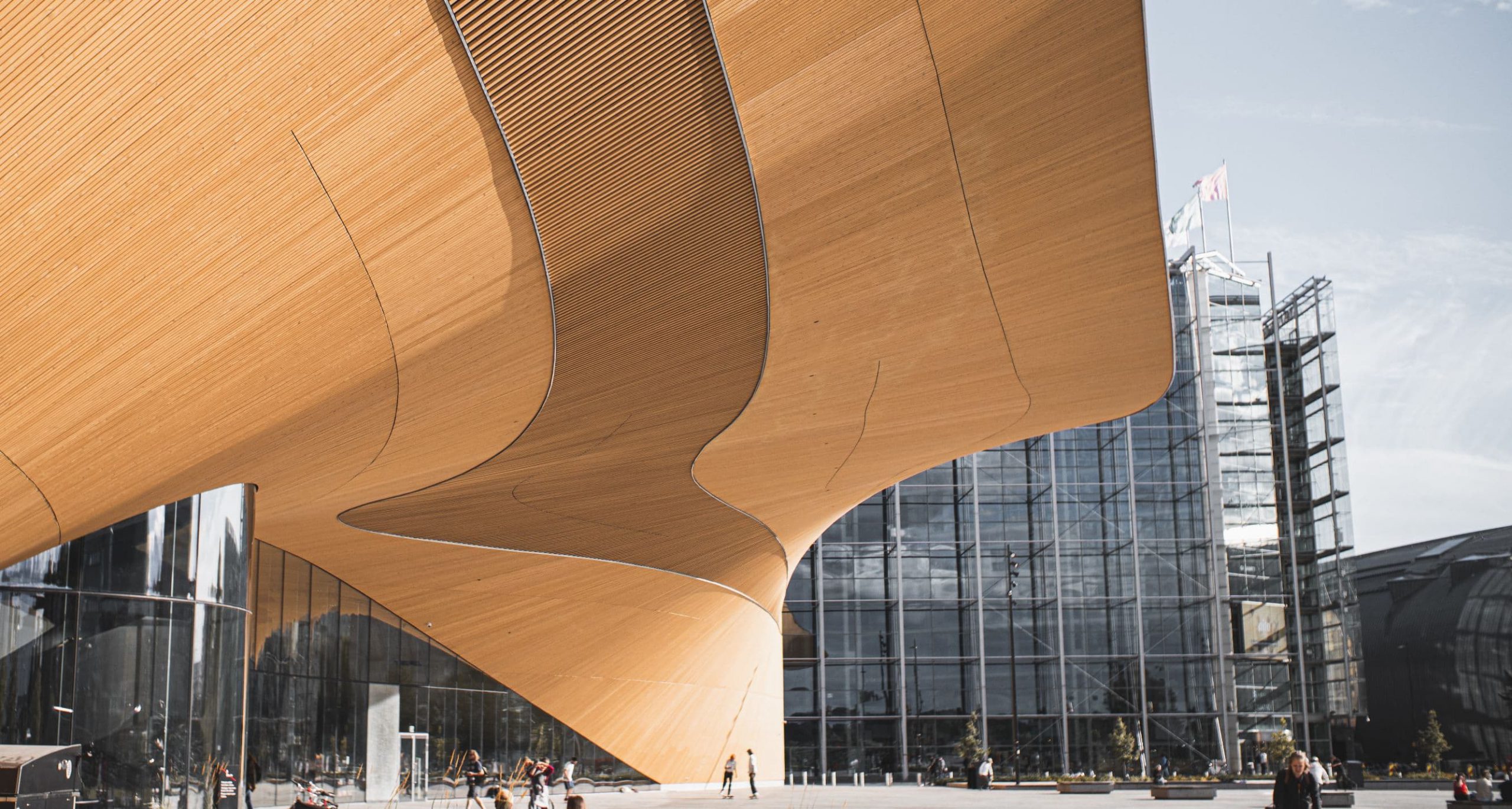
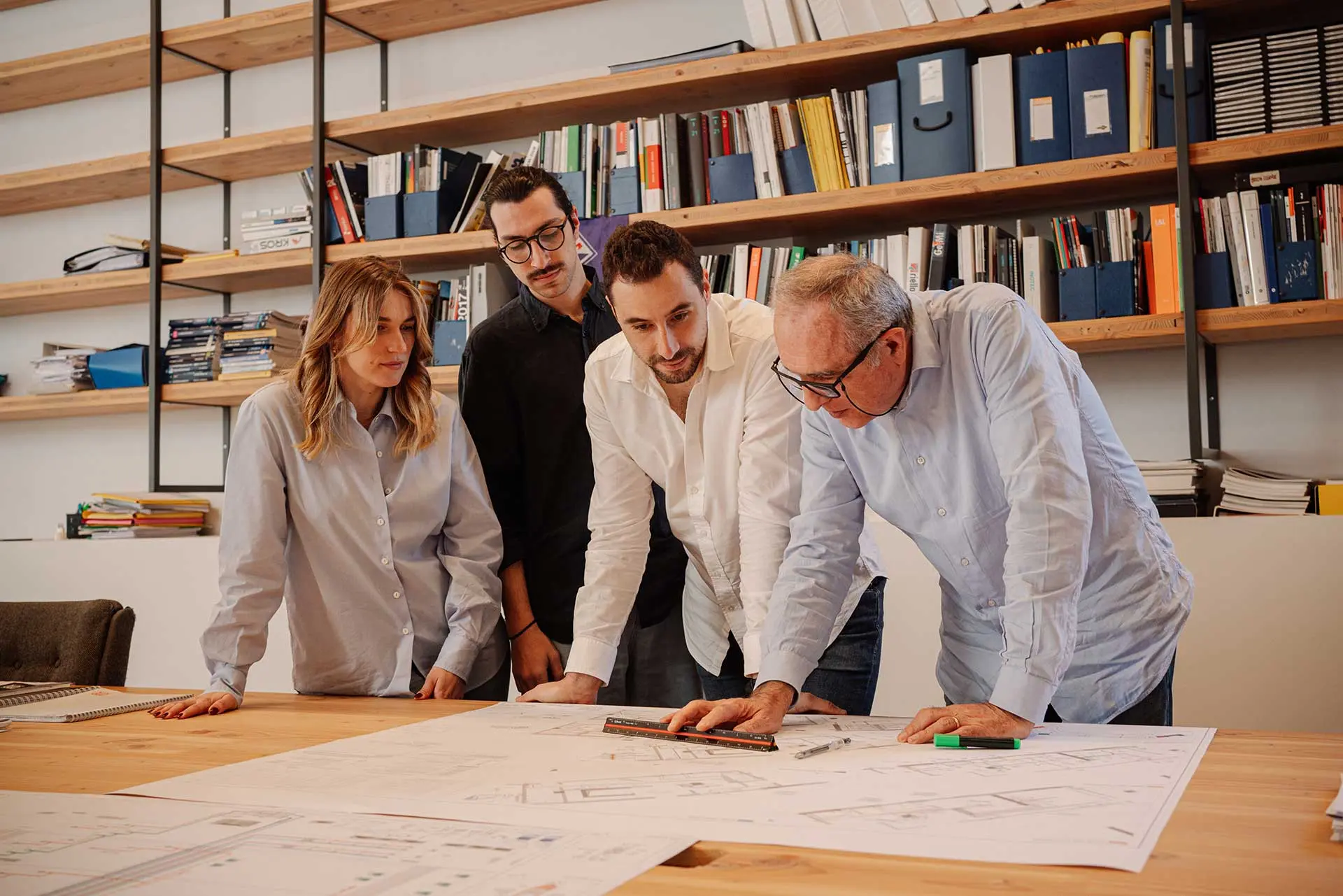
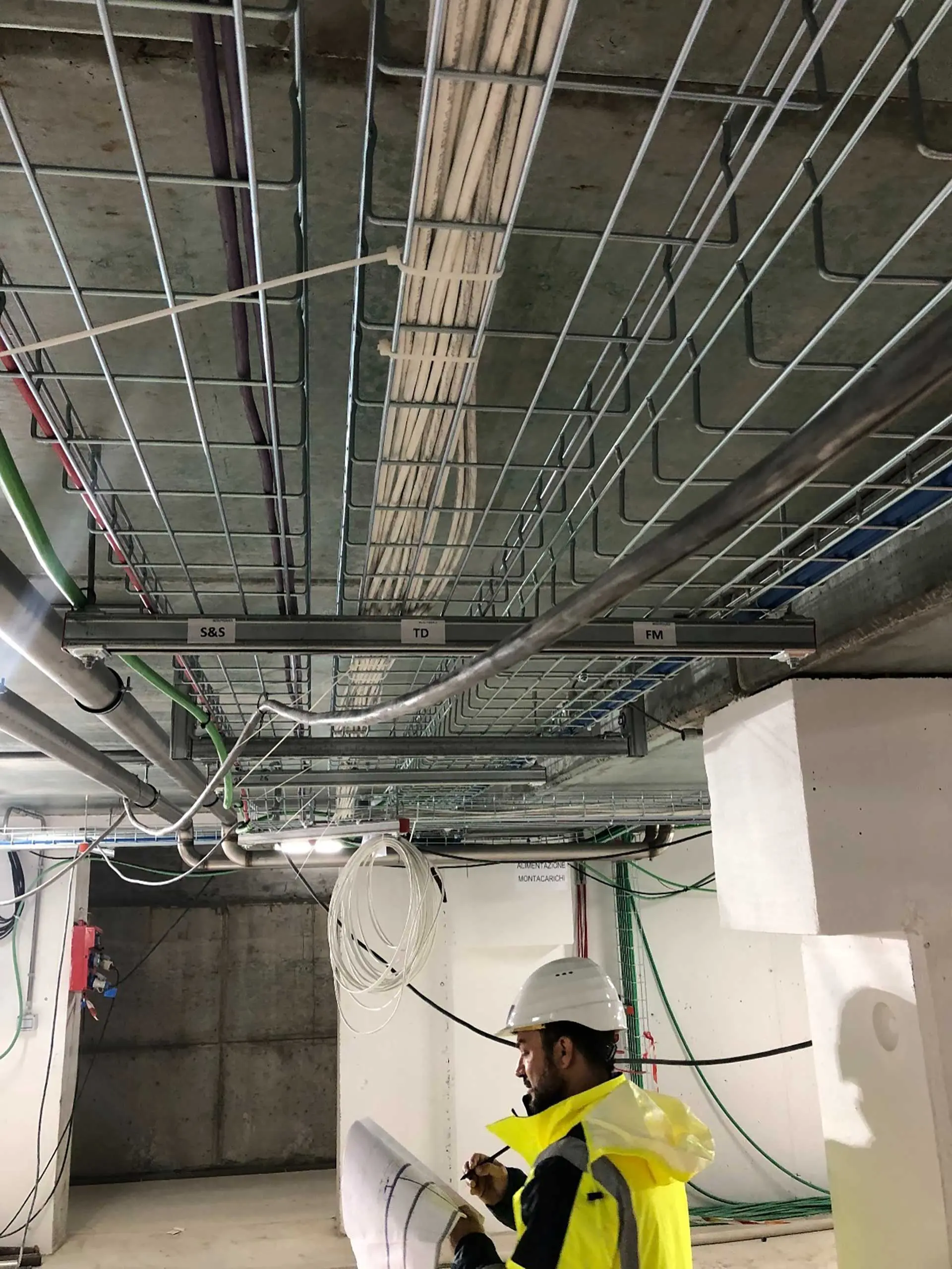
The "design" phase for an engineering and architecture firm encompasses the entire process of developing and planning technical and creative solutions for the realization of a project. This process involves several steps and activities, which include:
In this phase, we dedicate ourselves to a thorough understanding of the client's needs, budget constraints, time limits, and technical specifications. This process lays the foundation for all subsequent work.
Once the needs and focus of the product are understood, we concentrate on generating initial ideas and concepts to meet the project requirements. This particularly creative phase can involve brainstorming, sketches, conceptual models, and other techniques for inspiration.
After gathering all ideas and concepts to develop, we transform them into concrete and detailed solutions, considering aspects such as space distribution, structure, engineering, sustainability, and aesthetics.
In this subsequent phase, the project's actual feasibility is defined with a complete and precise definition of all work aspects, including technical drawings, material specifications, structural calculations, schematics, and construction details.
For every major project, a strong team is essential. We firmly believe in collaboration with other professionals whenever required. We engage structural, electrical, hydraulic engineers, and landscapers to ensure the harmonious integration of all elements.
All projects are constantly evolving, necessitating critical analysis and continuous improvement through client feedback, feasibility assessments, and internal reviews.
We meticulously follow the documentation process, preparing the necessary documents for regulatory approval, building permits, and work execution, such as technical drawings, project reports, and specifications.
Design in an engineering and architecture firm is a multidisciplinary process requiring technical skills, creativity, problem-solving abilities, and a deep understanding of client needs and the project context.
Since 1987 Beta Progetti has ensured quality work in both public and private sectors, developing the best technological solutions at all design stages, from preliminary to executive, including support during the construction phase with the preparation of detailed construction plans.
In the last decade, Beta Progetti has chosen BIM technologyas its design philosophy, training its technicians and equipping itself with the necessary hardware stations and software platforms.
Today, Beta Progetti boasts a BIM specialization team, including one BIM Manager, three BIM Coordinators, five BIM Specialists, and approximately ten designers who operate exclusively on the BIM platform daily.
BIM
What isis meant by BIM?
“BIM”standsforBuilding Information Modeling, a design methodology and technology used in engineering firms, often incorrectly associated solely with 3D visualization.
BIM is an integrated approach todesigning, constructing, and managing buildings and infrastructure.
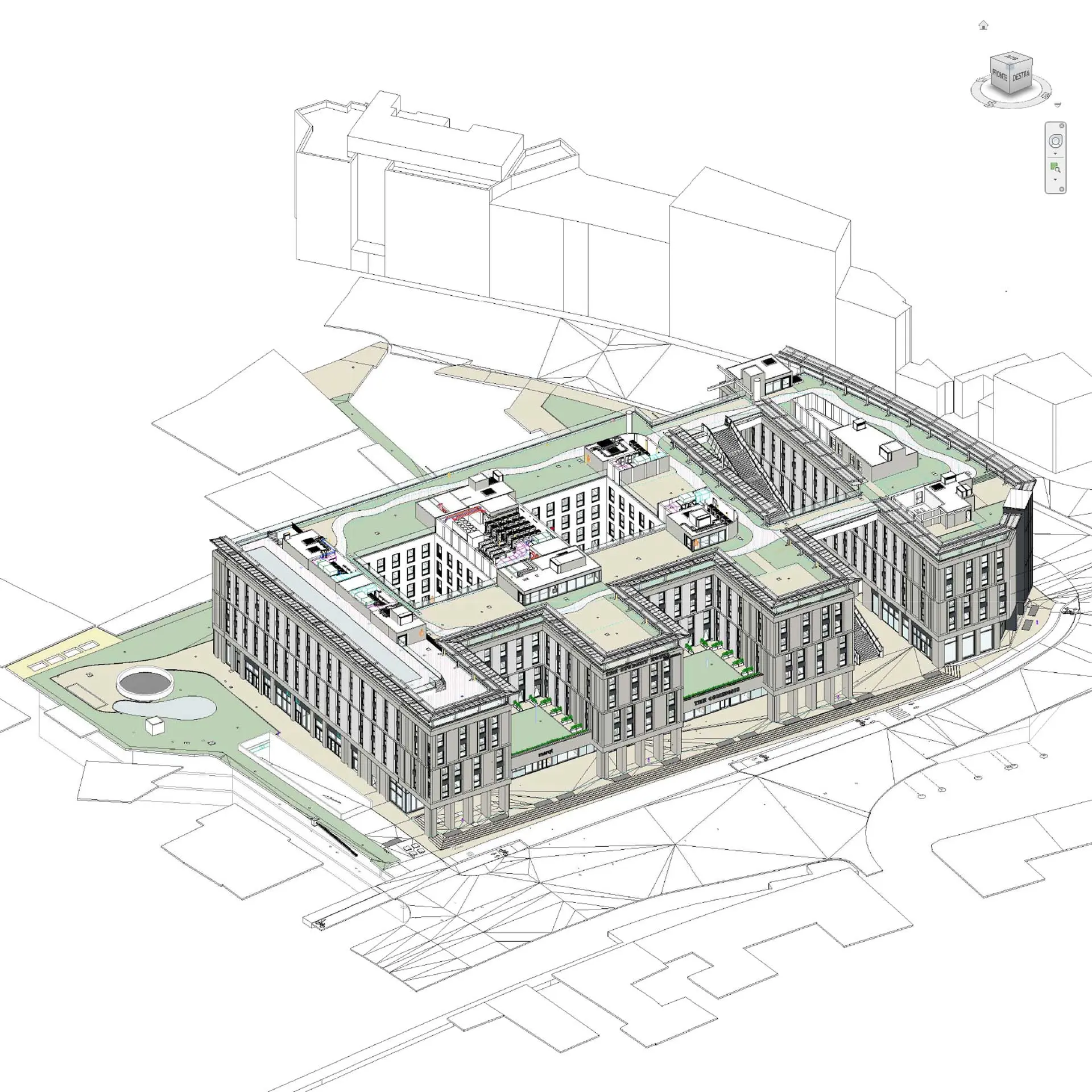
It involves usingintelligent 3D digital modelsthat contain detailed information about every aspect of the building, such as geometry, materials, components, physical properties, and functionalities.
These models can be enriched with additional data, such as costs, schedules, structural analysis, and energy performance.
3D visualization is a technique that graphically represents objects and environments in three dimensions, providing a realistic perception of space and forms.
In design contexts, 3D visualization is used to create digital models of buildings and landscapes, allowing designers to explore and communicate their ideas effectively.
BIM/3D models provide a detailed and visual representation of the building or infrastructure being designed, allowing clients, stakeholders, and team members to better understand the design and the designer's intentions.
BIM/3D models can be shared and viewed collaboratively by different team members, facilitating communication and cooperation among architects, engineers, contractors, and other project participants.
With detailed information available in the BIM model, advanced analyses and simulations can be conducted on aspects such as structural strength, energy efficiency, lighting, ventilation, and other factors affecting the building's performance.
BIM/3D models can be used to manage the entire building lifecycle, from design to construction, maintenance, and demolition, allowing for better planning and resource management.
The BIM/3D approach has become astandard in the engineering industry,offering greater precision, efficiency, and collaboration in the design and realization process.
Safety Coordination
What is safety management in anengineering and architectural company?
“Safety coordination” refers toa set of activities and responsibilities aimed at ensuring workplace safety during all phases of design, construction, and management of a project.
This concept is particularly relevant in the construction and civil engineering sectors, where significant risks to the health and safety of involved individuals are present. It also heavily applies to the industrial and infrastructural engineering world, where project complexity, the coexistence of multiple specialized companies, and often external risk factors make safety management necessarily complex.
Safety coordination arises during the design phases and accompanies the implementation of the works until acceptance, addressing the subsequent stages of:
Analyze and identify all potential health and safety risks at the workplace, including physical hazards, material and equipment-related risks, environmental risks, and risks from working at heights or underground.
Evaluate the magnitude and severity of identified hazards, as well as the potential impact on workers, visitors, and the general public. This assessment helps determine the necessary control measures to mitigate or eliminate the risks.
Develop a detailed plan to manage risks and ensure a safe and healthy work environment. This plan should include procedures for accident prevention, staff training, proper use of personal protective equipment (PPE), and emergency management.
Ensure all project participants (architects, engineers, contractors, subcontractors, suppliers, etc.) collaborate effectively to implement safety measures and comply with current regulations.
Inform and raise awareness among everyone working on the site about specific risks and the adopted safety measures. This can include safety briefings, training sessions, and distribution of informational materials.
Continuously monitor safety conditions at the workplace and implement corrective actions when necessary to ensure regulatory compliance and the safety of all workers and visitors.
Keep track of all safety-related documents, such as incident records, safety inspections, risk assessment reports, and emergency plans, to document regulatory compliance and facilitate process review and analysis.
Construction management
ConstructionManager
Site operations represent a complex process that can take various forms and involve a wide range of companies, workers, and professionals. These actors establish an intricate network of interdependent relationships and responsibilities fundamental to the project’s success.
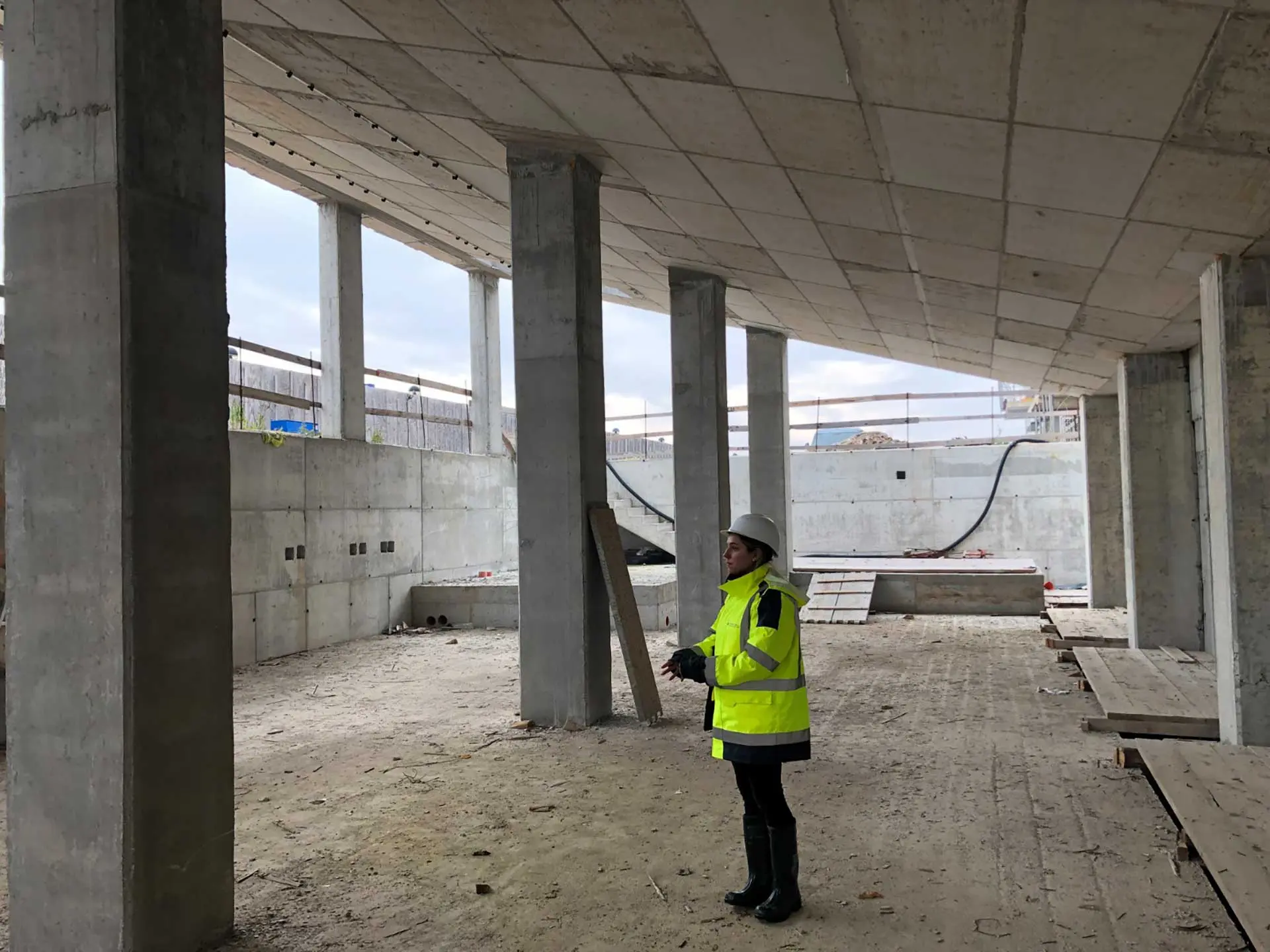
Among these subjects, a highly responsible role is assigned to the Construction Manager,appointed by the project owner to oversee its realization.
Responsibilities of the Construction Manager
The primary task is to ensure the accurate execution of works, carefully evaluating the quality of materials and workmanship.
The Construction Manager is an essential point of reference for the overall management of the site, supervising the activities of various involved companies and efficiently planning operations.
Responsible for coordinating and supervising the entire construction management office, maintaining privileged contact with the contractor for technical and economic aspects of the contract.
The tasks and functions that the Construction Manager is called upon to carry out change based on the phase of construction management in which one finds himself and the operational scope.
They must follow the entire process of creating the work and, specifically, they must perform different functions in three specific phases:
Conduct joint inspections and prepare a record of findings in case of communication from the contracting company;
Provide all necessary information and documentation to the testing authorities;
Assist the testers in carrying out their testing duties;
Review and approve the testing program;
Review and approve the commissioning testing program for the systems;
Prepare the final accounting and documentation, including the certificate of proper completion of works where required.
Beta Progetti undertakesConstruction Management tasks in both public and private contract settings, offering clients adequate support structures for the designated role (Construction Management office).
Site management
Who is the Site Technical Manager?
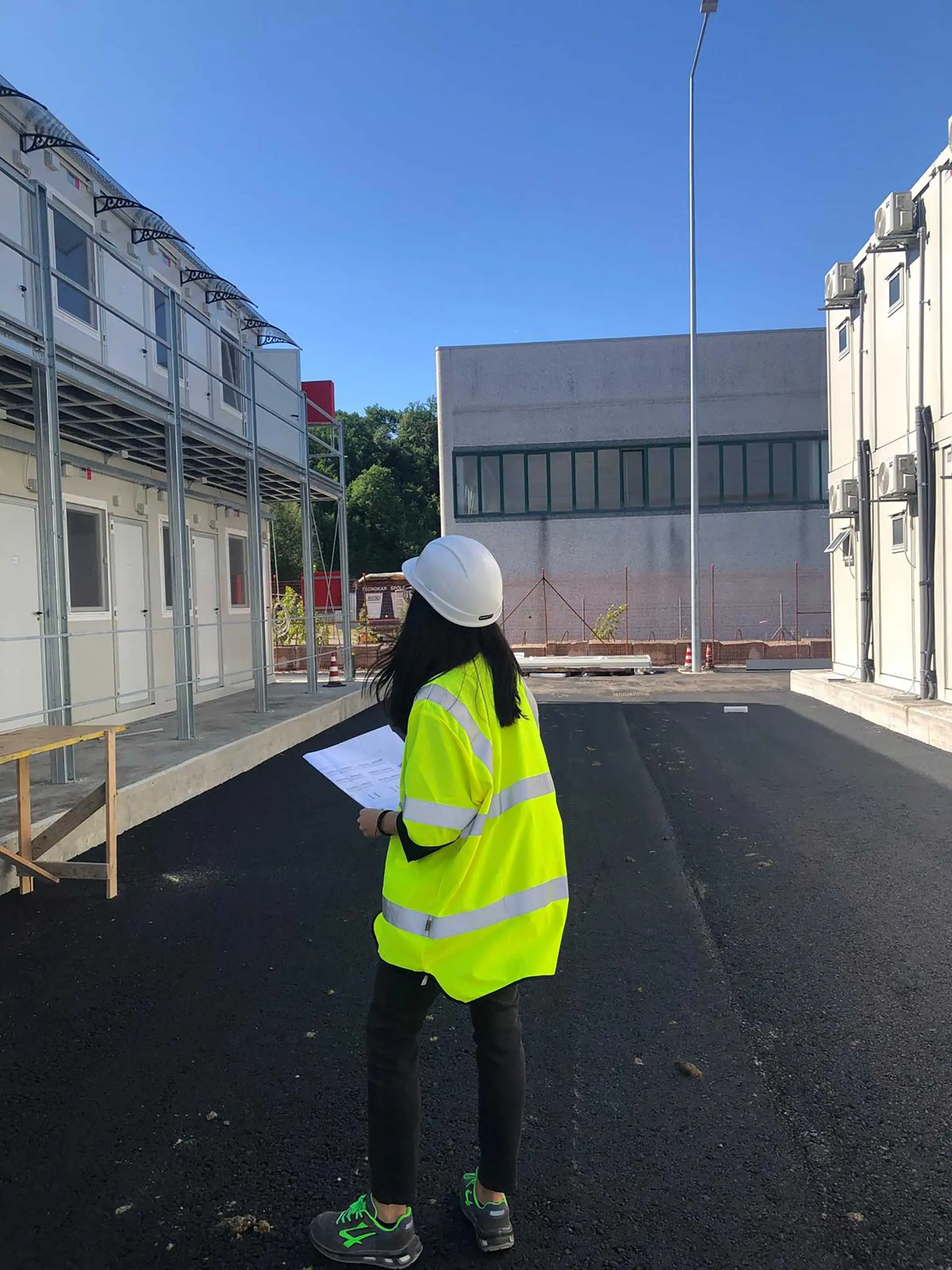
The Site Technical Manager (STM)is a professional designated by the contracting company with the task of organizing the works in compliance with contractual standards.
This role is crucial for the effective site management, holding decision-making power in operational planning and responsibilities in the execution of the works.
Activities Performed by the STM Include:
Client Relations Management;
Schedule Management;
Contractual Management;
Managing the project based on the design and contract;
Coordinating workforce activities on-site;
Material Procurement;
Work Accounting;
The STM’sResponsibilities for Worker Safety Include:
Adopting Protection Measures Implementing protection measures outlined in the Safety and Coordination Plan (SCP) and the Operational Safety Plan (OSP).
Relations Managing relationships with operators and external companies for the application of safety regulations.
Equipping the site with necessary safety measures to prevent accidents and injuries.
Interfacing with regulatory bodies, the client, and the Technical Supervision functions (Construction Manager, Safety Coordinator, Project Manager).
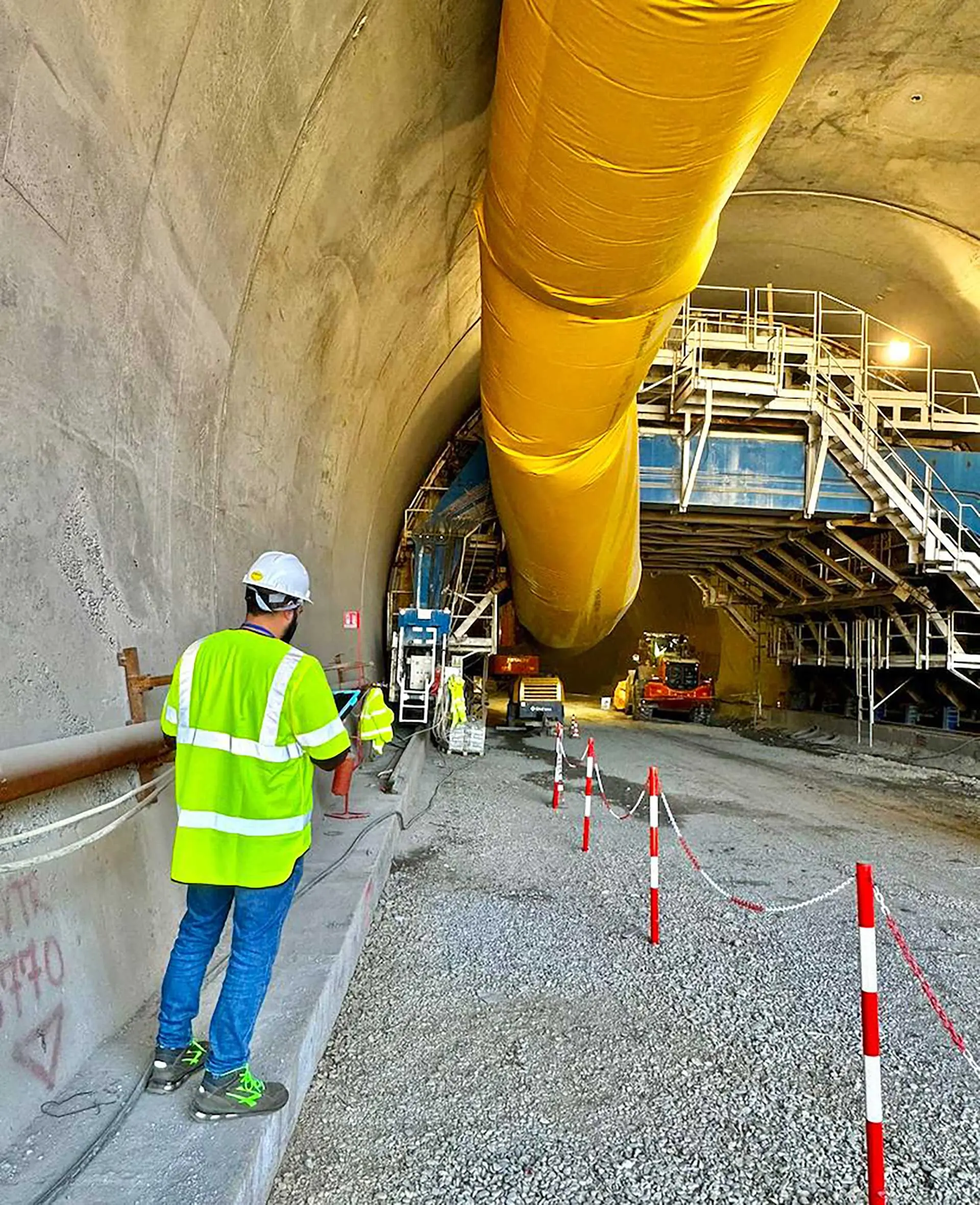
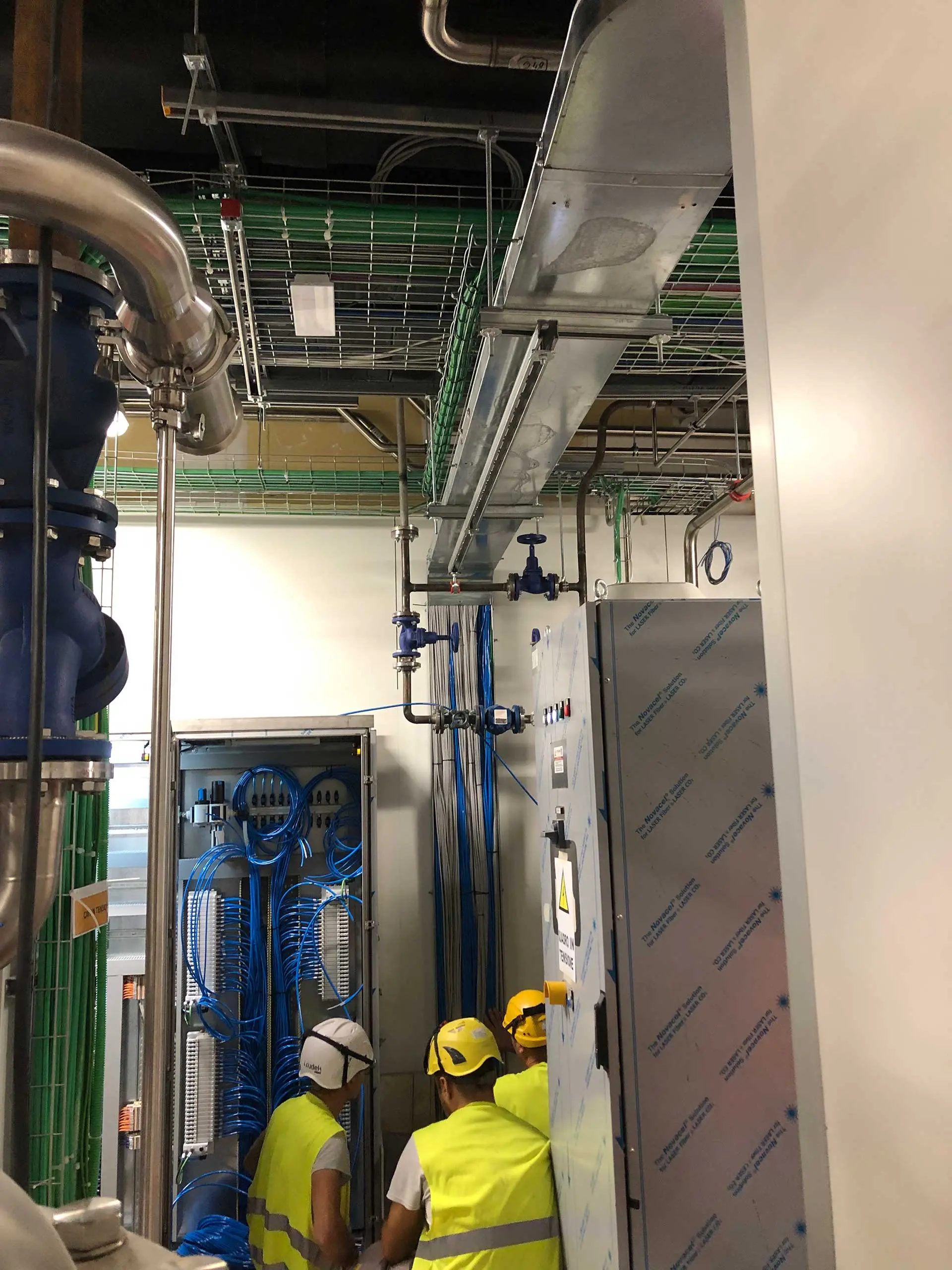
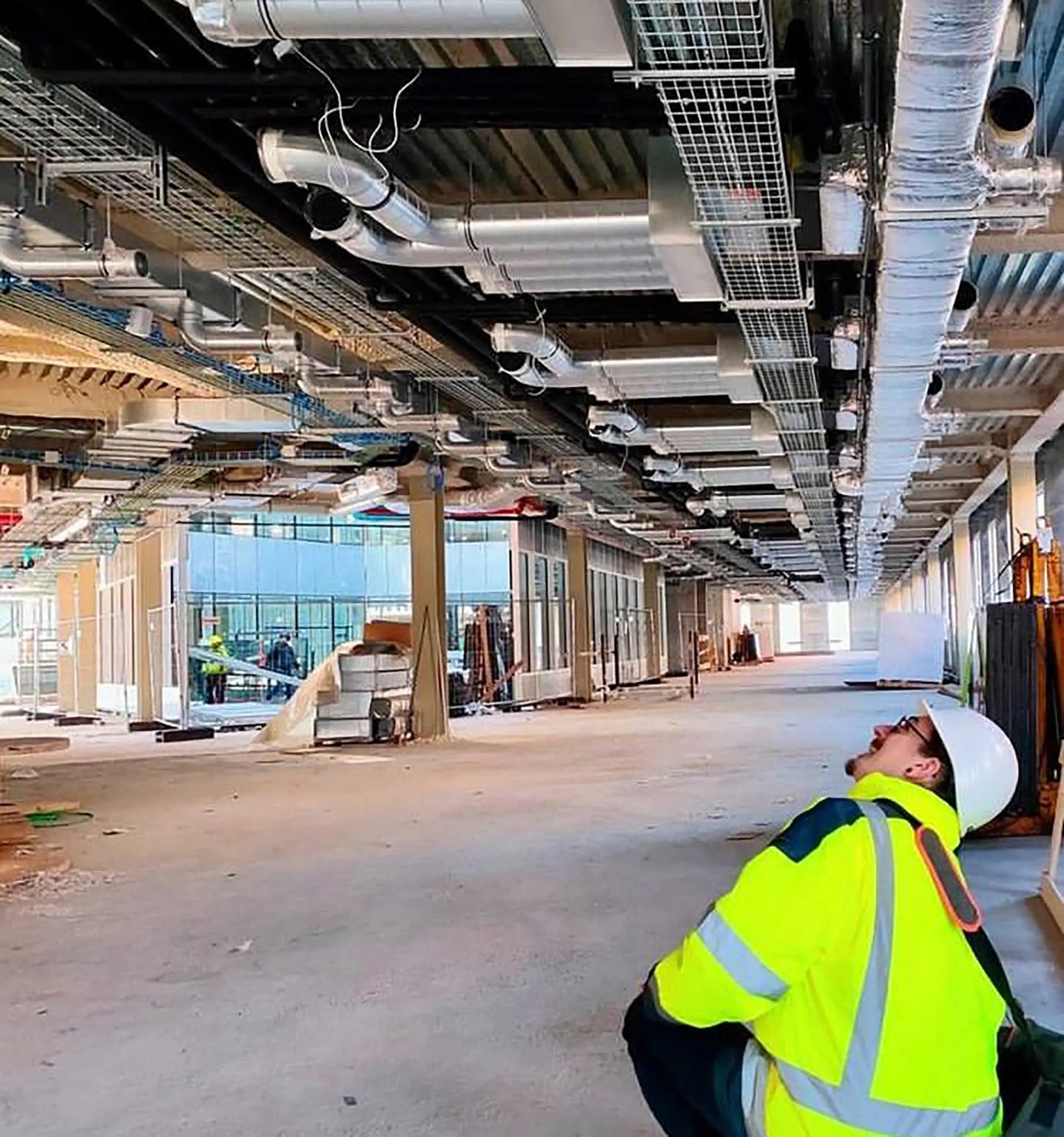
Site management is responsible for the operational and technical management of the work on the field during the realization phase of a construction or infrastructure project. This role is crucial in ensuring the project is executed in compliance with design specifications, quality standards, safety, and timelines.
Site management oversees all activities carried out at the worksite, coordinating the efforts of various teams, including subcontractors, to ensure they are executed according to the directives established in the project.
Planning and allocating necessary resources, including labor, equipment, materials, and supplies. This includes work scheduling, procurement management, and cost monitoring.
Ensuring work is executed according to the established quality standards. This includes material inspection, work supervision, and testing completed works.
Ensuring workplace safety, compliance with all safety regulations and procedures, provision of necessary personal protective equipment (PPE), and risk identification and mitigation.
Maintaining constant communication with all stakeholders, including the client, architects, engineers, subcontractors, and field personnel. Effective coordination is essential to address any issues or challenges that may arise during project execution.
Accurately document all activities carried out on the construction site, including progress reports, inspection records, meeting minutes, and other relevant documents. This data is important for client reporting, legal purposes, and post-project analysis.
Site management is responsible for ensuring that the project is executed effectively, efficiently, and safely, and serves as a central point of reference for all operational and technical issues related to on-site implementation.
Beta Progetti supports companies by offering its expertise and specialization in the field of plant engineering, either by taking full responsibility for site management or by providing support to the structure deployed by the company.
In this context, the use of BIM technology has increasingly gained ground in recent years. This technology enables site management, control of work processes and assemblies, and material selection by utilizing the digital model of the work under construction.